Robotic Surgery: Revolutionising GI and Gynaecological Procedures with Precision and Patient-Centred Care
What is Robotic Surgery?
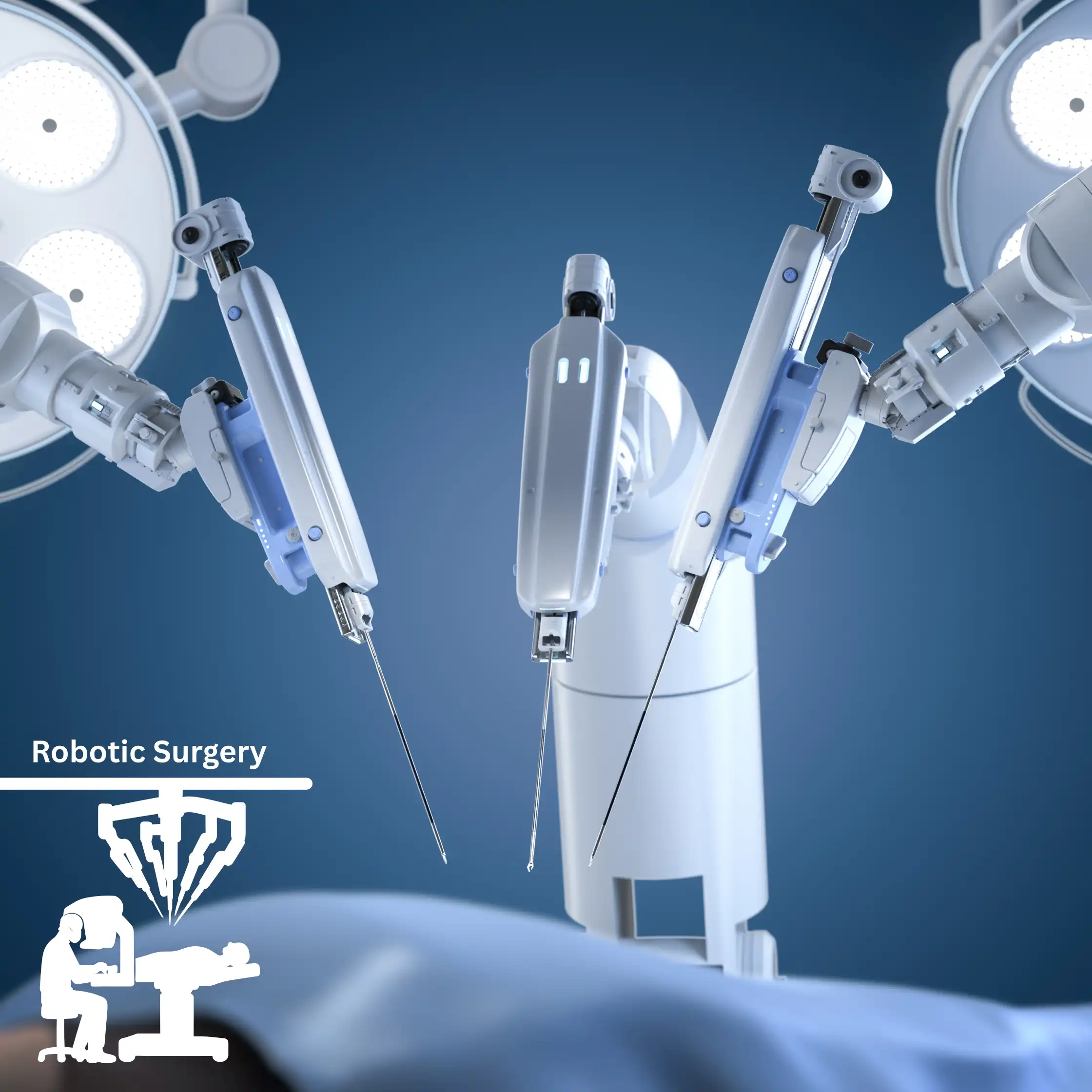
The surgeon makes a few small incisions and inserts robotic instruments that replicate the surgeon's hand movements but with much greater precision. The robotic arms can bend and rotate far more than the human hand, allowing surgeons to perform intricate procedures with reduced risk of error.
Applications of Robotic Surgery in GI and Gynecological Procedures
Gastrointestinal (GI) and General Surgeries
- Gallbladder Removal (Cholecystectomy):Used to treat gallstones or other gallbladder issues.
- Colorectal Surgery: Helps treat conditions like diverticulitis, Crohn’s disease, or colorectal cancer.
- Bariatric (Weight Loss) Surgery: Used to perform procedures such as gastric bypass or sleeve gastrectomy, which aid in weight loss.
- Hernia Repair: Robotic surgery provides a precise, minimally invasive method for repairing hernias.
- Gastrointestinal Cancer Treatment: For cancers of the stomach, oesophagus, or colon, robotic systems enable precise removal of cancerous tissues with minimal disruption to healthy tissues.
Gynaecological Surgeries
One of the most transformative uses of robotic surgery is in gynaecology, especially for complex procedures such as:
- Hysterectomy: The removal of the uterus, often performed for uterine fibroids, endometriosis, or cancer.
- Myomectomy: The removal of fibroids from the uterus.
- Endometriosis Treatment: Precise removal of endometrial tissue with minimal scarring.
By using robotic systems, surgeons can conduct these procedures with minimal damage to surrounding tissues, ensuring faster recovery for the patient.
Key Benefits of Robotic Surgery for Patients
Unmatched Precision
Robotic systems offer greater accuracy than traditional surgery, allowing surgeons to perform even the most delicate procedures with ease. This precision is crucial for surgeries involving organs like the intestines or uterus, where even a minor error can lead to complications.
Tiny Incisions, Big Results
Robotic surgery is minimally invasive, meaning the incisions are much smaller than those in traditional open surgeries. These smaller incisions lead to:
- Reduced scarring
- Less post-operative pain
- Minimal risk of infection
- Minimal Bleeding
- Faster Recovery
Faster Recovery and Shorter Hospital Stays
Because robotic surgery causes less trauma to the body, patients experience quicker recovery times. Many patients can return home sooner and resume normal activities much faster compared to those who undergo traditional surgery.
Less Pain, More Comfort
Smaller incisions and precise movements result in significantly less post-surgical pain. This means patients often require fewer pain medications and can recover more comfortably.
Fewer Complications and Reduced Risk of Infection
The advanced visualisation and control offered by robotic systems greatly reduce the likelihood of complications during surgery. Infections, bleeding, and other common surgical risks are minimized thanks to the minimally invasive nature of the procedure.
Why Robotic Surgery is the Future of GI, General and Gynecological Care
Robotic surgery has proven to be a game-changer in the field of medicine. It combines cutting-edge technology with patient-centred care to offer more effective, safer, and quicker treatment options. For patients undergoing GI, General or gynaecological procedures, this means less time in the hospital, fewer complications, and a much faster return to their normal lives.
Whether it’s for removing gallstones, performing a hysterectomy, or treating gastrointestinal cancers, and Hernia robotic surgery allows surgeons to operate with precision and control that is simply unmatched by traditional methods.
FAQs for Robotic Surgery:
Is robotic surgery safe?
Yes, robotic surgery is extremely safe when performed by trained and experienced surgeons. The robotic system allows for high precision, minimising the risk of human error.
Is robotic surgery suitable for everyone?
Robotic surgery may not be suitable for all patients. Your doctor will evaluate your condition and medical history to determine if you are a good candidate.
How long does recovery take after robotic surgery?
Recovery times vary based on the type of surgery performed, but one of the main benefits of robotic surgery is a quicker recovery compared to traditional open surgery. Most patients can resume normal activities within 2-4 weeks, though this will vary depending on the complexity of the procedure.
Will I experience less pain with robotic surgery?
Yes, patients generally experience less pain after robotic surgery because it is minimally invasive, meaning smaller incisions are used, resulting in less trauma to the body. This often translates to a reduced need for post-operative pain medication.
What’s the difference between robotic surgery and traditional laparoscopic surgery?
While both robotic and traditional laparoscopic surgeries are minimally invasive, robotic surgery offers enhanced precision and 3D visualisation. The robotic arms can rotate and move more fluidly than human hands, providing greater dexterity for the surgeon, especially in complex procedures.
Is robotic surgery more expensive than traditional surgery?
Robotic surgery may be more costly than traditional surgery due to the advanced technology involved. However, this cost is often offset by the benefits such as quicker recovery times, shorter hospital stays, and fewer complications, which may reduce long-term healthcare costs.
Will insurance cover robotic surgery?
Many insurance companies do cover robotic surgery, especially when it's deemed medically necessary. However, coverage varies, so it's important to check with your insurance provider to confirm whether robotic surgery is covered under your plan.
How experienced are surgeons in performing robotic surgeries?
Robotic surgery requires specialised training. Most surgeons who perform robotic surgeries undergo extensive training and certification programs to ensure they are proficient in operating the robotic systems. Always choose a hospital and surgeon with experience in robotic procedures.
How long does a robotic surgery procedure take?
The length of the procedure depends on the type of surgery being performed. In general, robotic surgeries may take slightly longer than traditional surgeries due to the setup of the robotic system. However, the increased precision often leads to a smoother operation overall, which can reduce complications and speed up recovery.
Are there risks involved with robotic surgery?
As with any surgery, there are risks involved, such as infection, bleeding, or complications from anaesthesia. However, robotic surgery often has a lower risk of complications compared to open surgery due to its precision and minimally invasive nature. Your surgeon will discuss any potential risks with you before the procedure.
Is robotic surgery done by robots?
No, robotic surgery is not performed by robots alone. Instead, the surgeon is always in full control. The robotic system acts as an advanced tool that assists the surgeon by providing enhanced precision, flexibility, and control. The surgeon uses a console to manipulate robotic arms that hold the surgical instruments, allowing for more accurate and minimally invasive procedures. So, while the technology is robotic, the surgeon remains the one performing the surgery.
Conclusion:
A Safer, Faster Path to Recovery with Robotic Surgery
If you or a loved one needs gastrointestinal, General or gynaecological surgery, ask your healthcare provider if robotic surgery is an option. The benefits—ranging from faster recovery to fewer complications—make it a preferred choice for many complex procedures. By leveraging the power of technology, robotic surgery is paving the way for better patient outcomes and a higher quality of life after surgery.
By incorporating Robotic Surgery into modern medical practice, healthcare providers are offering patients a safer, more efficient way to receive necessary care. Whether it's for gastrointestinal issues or gynaecological conditions, robotic surgery can offer life-changing benefits for patients.