7 Common Myths and Misconceptions About Robotic Surgery
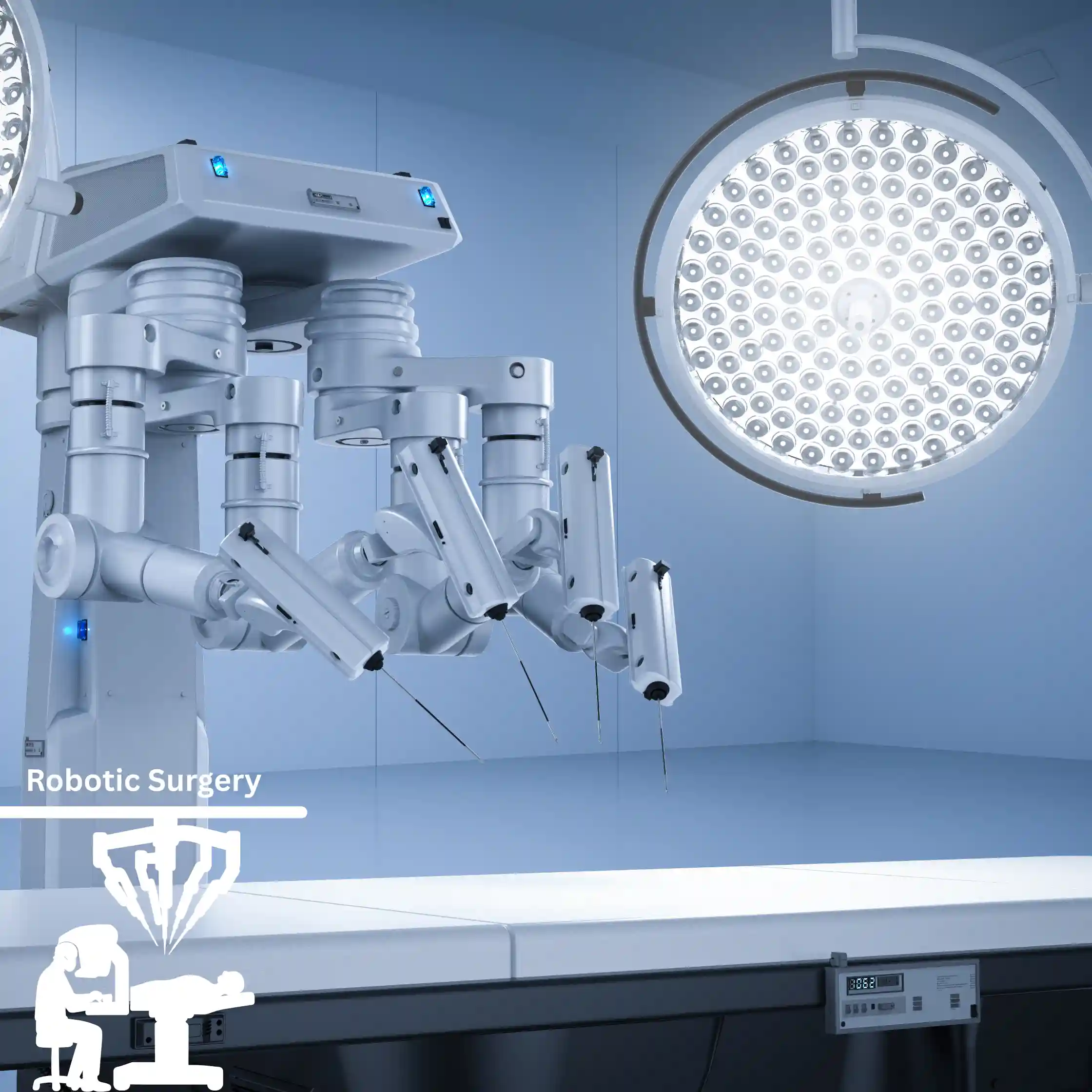
Myth:The Robot Performs the Surgery Independently
Reality: Many believe the robot operates autonomously, but that’s far from the truth. In robotic surgery, the surgeon is always in control. The robotic system acts as a tool, enhancing the surgeon's precision through advanced technology. Every movement is directed by the surgeon sitting at a console, ensuring safety and accuracy.
The surgeon is in charge at every step, making decisions and guiding the robot's movements.
Myth:Robotic Surgery is Unsafe
Reality: Safety is a top priority in any surgical procedure, and robotic surgery is no exception. Robotic systems are equipped with safeguards, including real-time imaging and fail-safe mechanisms. Studies show that robotic surgery often leads to fewer complications compared to traditional methods.
Robotic systems enhance precision, reducing the risk of errors and complications.
Myth:Robotic Surgery is Only for Complex Cases
Reality:While robotic surgery excels in complex procedures, it’s also widely used for common GI conditions, such as hernia repair, gallbladder removal, and acid reflux surgery. The minimally invasive approach benefits a wide range of patients.
Robotic surgery can be tailored to simple and complex GI cases, improving outcomes in both.
Myth:It’s Too Expensive for the Average Patient
Reality:The initial perception is that robotic surgery is prohibitively expensive. However, when you factor in the shorter hospital stay, quicker recovery, and reduced need for pain medication, the overall costs can be comparable to traditional surgery.
Robotic surgery may save money in the long term by reducing hospital stays and recovery time.
Myth:Recovery Time is the Same as Traditional Surgery
Reality:Robotic surgery is designed to minimize trauma to the body. Smaller incisions and precise movements mean less blood loss, reduced pain, and quicker healing.
Most patients experience a faster recovery and can return to normal activities sooner than with traditional surgery.
Myth:Robotic Surgery is Risky Due to New Technology
Reality:Robotic systems have been used successfully for decades and are constantly improving. Surgeons undergo specialised training to master the equipment, ensuring patient safety.
Robotic surgery is a well-established and thoroughly tested procedure, backed by years of research and innovation.
Myth:Patients Don’t Have a Say in the Process
Reality:Patients are always part of the decision-making process. Before surgery, your doctor will explain the options, benefits, and potential risks. You’ll have the opportunity to ask questions and decide if robotic surgery aligns with your needs.
Your surgeon will guide you, but the choice of robotic surgery is always yours.
Why Choose Robotic Surgery for GI Health?
Robotic surgery offers numerous advantages, including:
- Enhanced precision for complex GI procedures.
- Reduced post-operative pain and faster recovery.
- Smaller scars and a lower risk of infection.
By understanding the realities of robotic surgery, patients and caregivers can make informed decisions, paving the way for better health outcomes.
Have Questions About Robotic Surgery?
If you’re considering robotic surgery for a GI condition, we’re here to help. Schedule a consultation today to learn more and address your concerns.
CALL NOW: +91 99938 20657