Understanding Hiatus Hernia: Causes, Symptoms, and Treatment
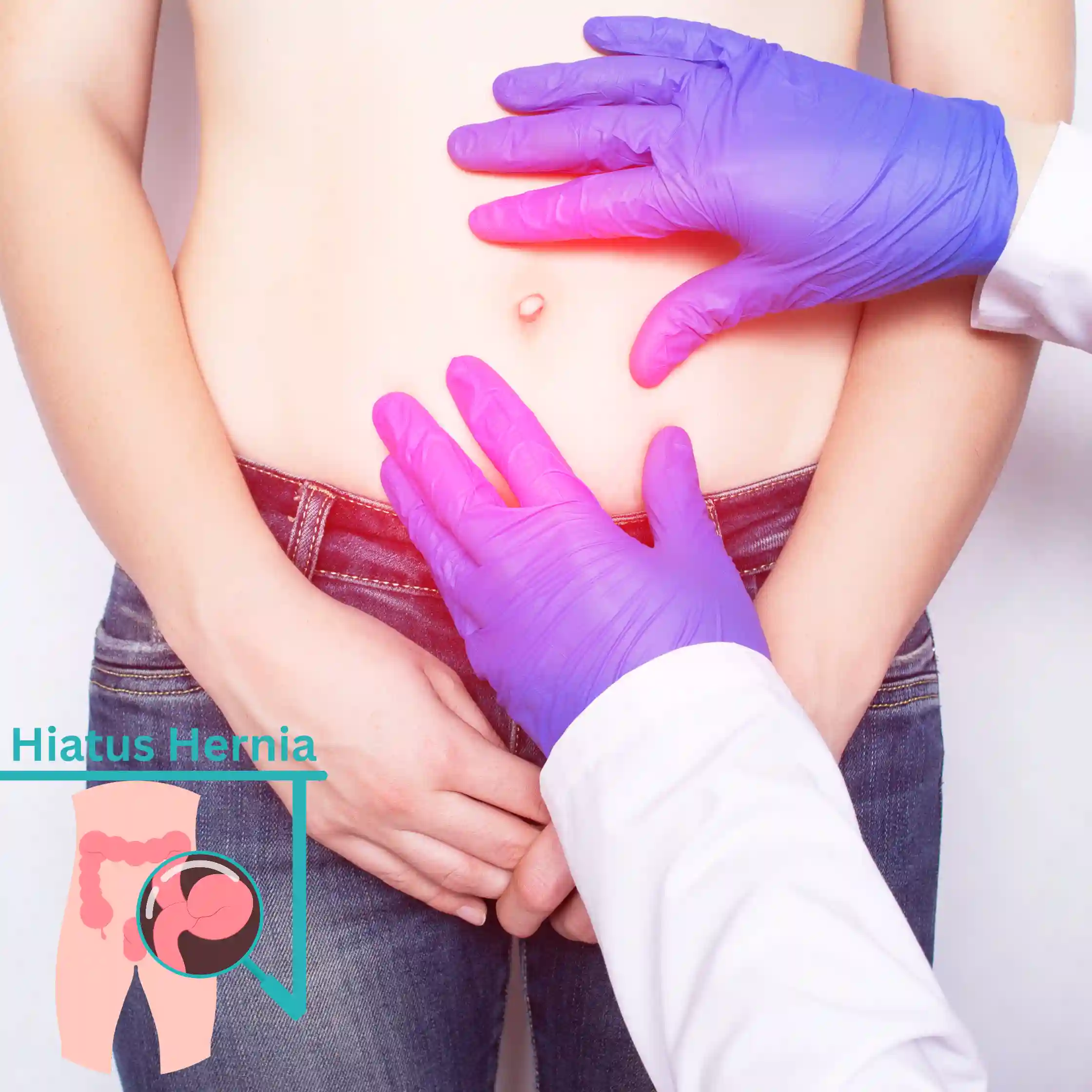
Causes of Hiatus Hernia:
Several factors can contribute to the development of a hiatus hernia:
- Age: Hiatus hernias are more common in individuals over 50 years old, as the diaphragm tends to weaken with age.
- Obesity: Excess abdominal fat can increase pressure on the stomach, making it more likely to herniate through the diaphragm.
- Injury: Trauma or injury to the abdomen can weaken the diaphragm and lead to a hiatus hernia.
- Genetics: Some people may have a genetic predisposition to hiatus hernia.
- Pregnancy: The pressure exerted on the abdomen during pregnancy can contribute to the development of a hiatus hernia.
Common Symptoms of Hiatus Hernia
Hiatus hernia can cause a range of symptoms, and their severity can vary from person to person. Common symptoms include:
- Heartburn: Acid reflux occurs when stomach acid flows back into the esophagus, causing a burning sensation in the chest (heartburn).
- Regurgitation: The feeling of food or liquid coming back up into the mouth or throat.
- Chest Pain: Some individuals may experience chest discomfort or pain, which can be mistaken for heart-related issues.
- Difficulty Swallowing: Hiatus hernia can make it challenging to swallow, especially when the herniated portion of the stomach compresses the esophagus.
- Belching and Bloating: Increased burping and abdominal bloating may also be experienced.
- Nausea: Some people with hiatus hernia may feel nauseous.
Diagnosis and Treatment
If you suspect you have a hiatus hernia due to persistent symptoms, it is crucial to seek medical attention. Your doctor may perform various tests, including an upper endoscopy or imaging studies, to confirm the diagnosis.
Treatment options for hiatus hernia aim to manage and alleviate symptoms:
- Lifestyle Modifications: Simple changes, such as eating smaller meals, avoiding trigger foods, and maintaining a healthy weight, can reduce symptoms.
- Medications: Over-the-counter or prescription medications can help manage acid reflux and reduce discomfort.
- Surgery: In severe cases or when other treatments are ineffective, surgical repair of the hernia may be recommended.
Surgical Treatment for Hiatus Hernia
In some cases, lifestyle modifications and medications may not provide sufficient relief from the symptoms of hiatus hernia, or the condition may become more severe. When this happens, your healthcare provider may recommend surgical intervention to correct the hernia. Here are some key points to consider regarding surgical treatment:
- Fundoplication
Fundoplication is the most common surgical procedure for treating hiatus hernia, particularly when associated with severe acid reflux (gastroesophageal reflux disease or GERD). The primary goal of this surgery is to reinforce the lower esophageal sphincter (LES), a ring of muscle that normally prevents stomach acid from flowing back into the esophagus.
During fundoplication, a surgeon will:
- Wrap the top of the stomach around the lower esophagus to create a new, tighter valve.
- This helps prevent the backward flow of stomach acid and food into the esophagus, reducing or eliminating symptoms like heartburn, regurgitation, and difficulty swallowing.
- Laparoscopic (Minimally Invasive) Surgery
Many fundoplication surgeries are performed using minimally invasive techniques, such as laparoscopy. This approach involves making several small incisions in the abdomen and using a tiny camera and specialized surgical instruments to perform the procedure. Compared to traditional open surgery, laparoscopic surgery typically results in:
- Smaller incisions, which lead to less scarring.
- Reduced pain and a shorter recovery time.
- Quicker return to regular activities.
- Recovery and Post-Operative Care
After fundoplication surgery, you can expect a period of recovery. This may include:
- Staying in the hospital for a short time, typically one to two days.
- Following a special diet or dietary restrictions for a few weeks after surgery.
- Gradually resuming normal activities and returning to work within a week or two.
- Taking prescribed medications as directed by your surgeon to prevent infection or manage discomfort.
- Risks and Considerations
As with any surgical procedure, fundoplication has potential risks and complications. These may include:
- Temporary difficulty in swallowing, which usually improves over time.
- Gas bloating, which can be a common post-operative symptom.
- In rare cases, complications such as infection, injury to nearby organs, or persistent reflux symptoms.
It's important to discuss the risks and benefits of surgery with your healthcare provider and to have a clear understanding of what to expect during and after the procedure. Surgery is typically considered when other treatment options have been exhausted or when the hernia is causing severe symptoms or complications.
Surgical treatment for hiatus hernia, particularly fundoplication, can be an effective solution for managing and alleviating symptoms. The decision to undergo surgery should be made in consultation with a healthcare professional, considering your specific case and individual needs. While surgery can provide long-term relief, it's important to be aware of the potential risks and benefits associated with the procedure.
Conclusion
Hiatus hernia can be a source of discomfort and affect your quality of life. Understanding its causes, symptoms, and available treatments is essential to manage this condition effectively. If you suspect you have a hiatus hernia, consult a healthcare professional for proper diagnosis and guidance on the most suitable treatment options for your specific case. Making lifestyle changes can also help alleviate symptoms and improve your overall well-being.